McLaren 720S GT3
McLaren Customer Racing
The Architecture of British Performance
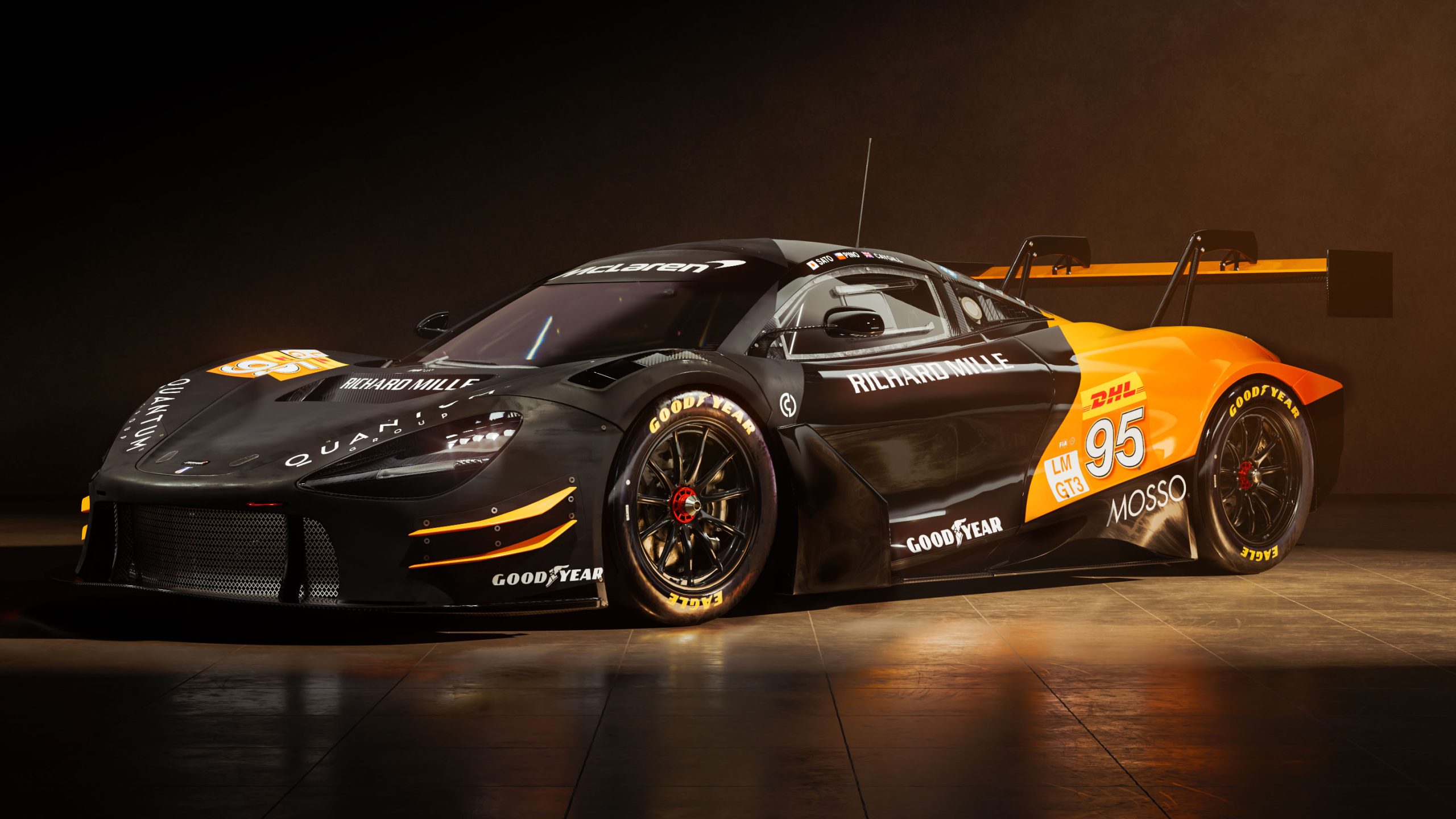
The McLaren 720S GT3 represents the pinnacle of the British manufacturer’s customer racing program, translating the extreme performance of the Super Series road car into a homologated track weapon. Developed in-house by McLaren Customer Racing, the vehicle was engineered to compete at the highest levels of global sports car competition. It serves as a formidable contender across premier championships, including the IMSA WeatherTech SportsCar Championship, the GT World Challenge, and the FIA World Endurance Championship (WEC).
At its core lies the MonoCage II chassis, a lightweight, highly rigid carbon-fiber tub that provides exceptional structural integrity and occupant safety. This central structure is identical to the one used in the road-going 720S, highlighting the inherently race-ready nature of McLaren’s production architecture. Aerodynamically, the 720S GT3 abandons the active aero components of its road-going counterpart in favor of fixed, high-downforce solutions. An aggressively extended front splitter, large dive planes, and a massive, highly adjustable rear wing dramatically accelerate airflow beneath the car and press the chassis into the track surface at high speeds.
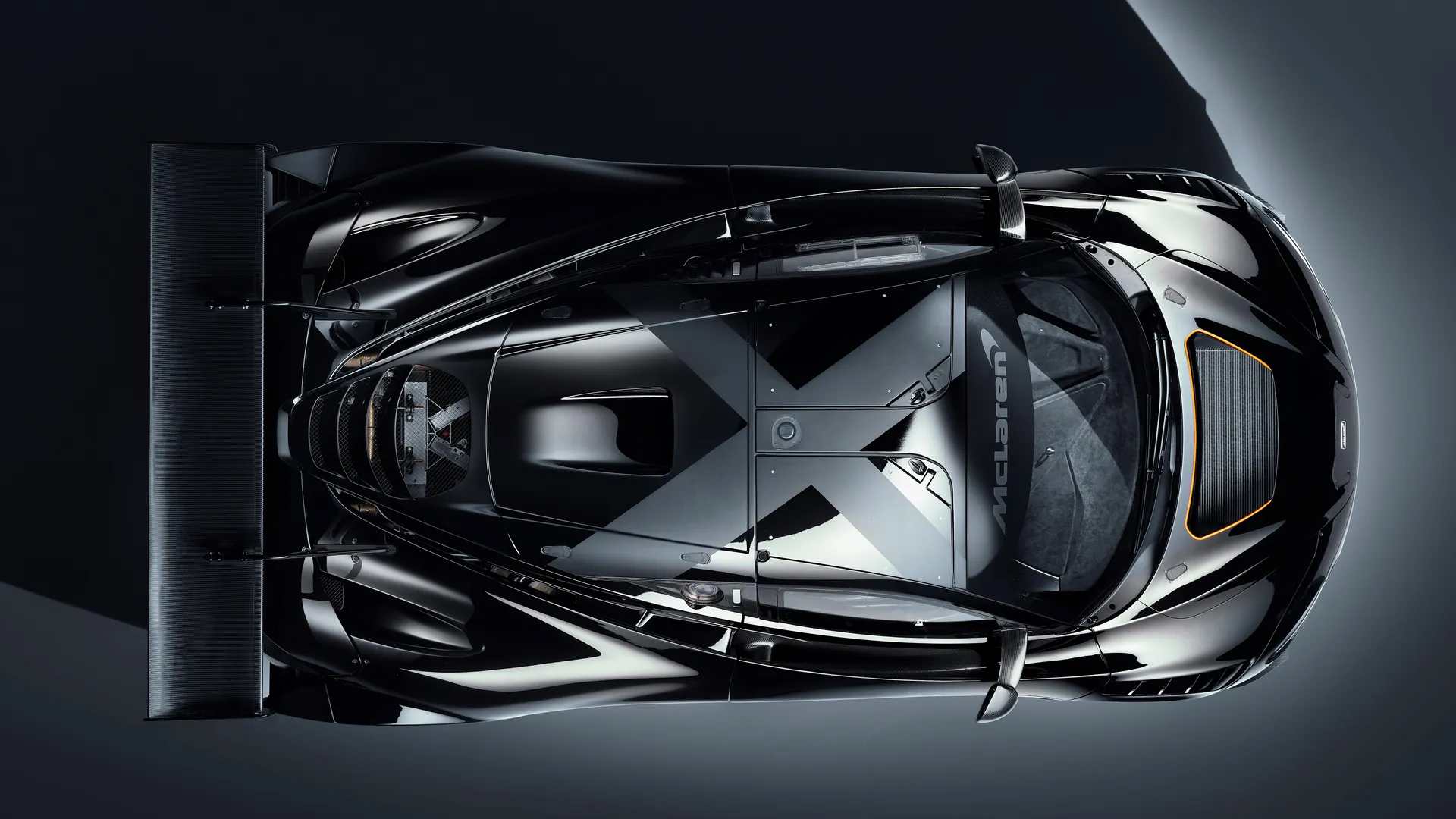
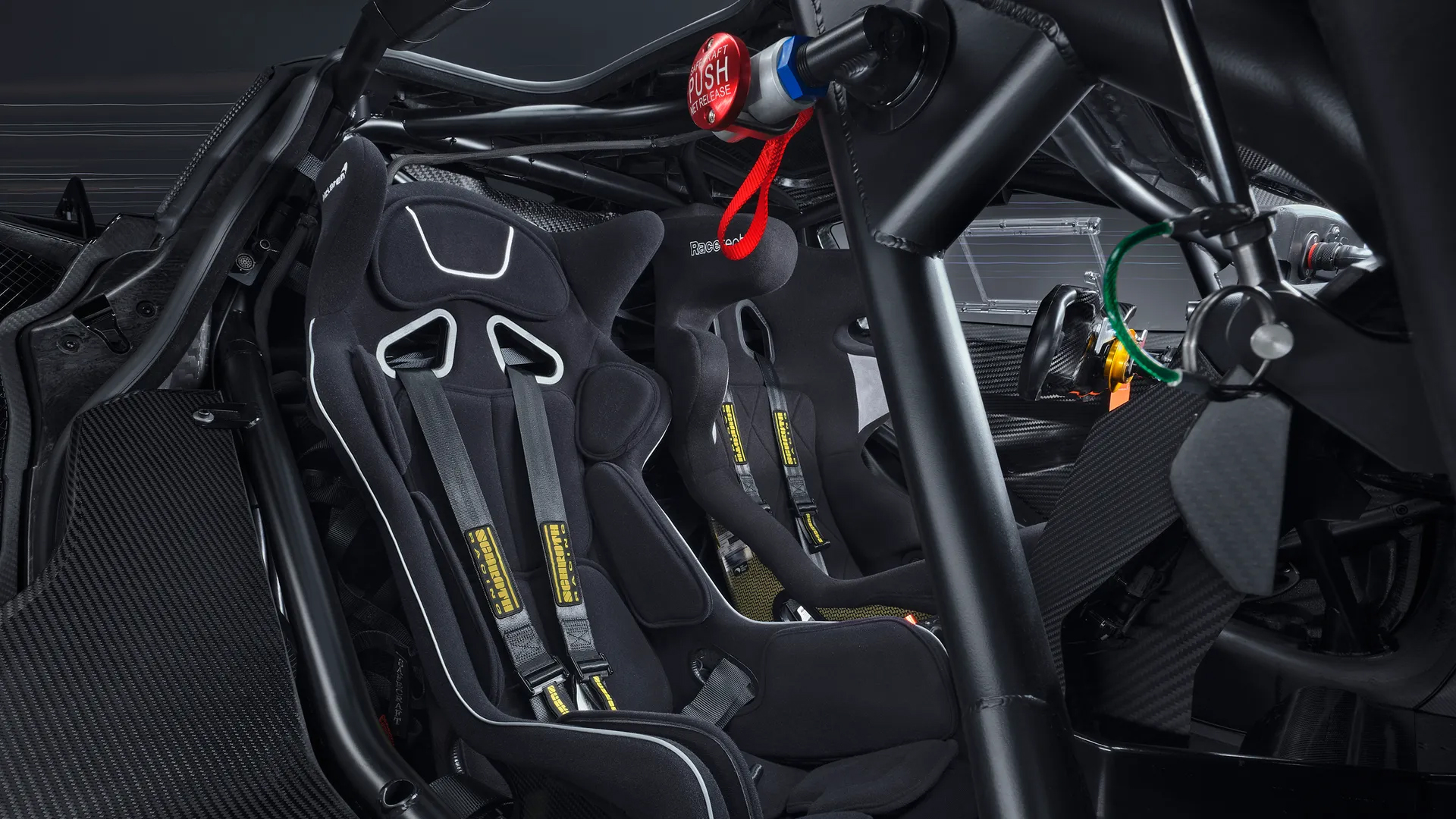
Beneath the composite exterior, the mechanical components are designed to balance the extreme demands of professional factory drivers with the accessibility required by amateur competitors. The suspension geometry features a track-optimized double-wishbone setup equipped with highly adjustable motorsport dampers. This meticulous engineering ensures that the 720S GT3 possesses the raw, one-lap pace required for professional qualifying, while remaining predictable and manageable for gentlemen drivers over the course of a grueling endurance stint.
4.0
Liter Twin-Turbo V8
The race-prepared M840T engine is meticulously mapped to deliver a smooth, tractable torque curve, transferring power to the rear wheels and maximizing mechanical grip out of low-speed traction zones.
6
Speed Sequential Gearbox
A heavily reinforced, motorsport-specific Xtrac transaxle replaces the road car’s dual-clutch system, ensuring maximum durability and lightning-fast shifts capable of withstanding 24-hour endurance events.
720
The Road Benchmark
While the production chassis is famously named for its massive 720-horsepower output, the GT3 variant is strictly governed by FIA BoP regulations, heavily restricting engine power to prioritize aerodynamic parity.
Engineering Evolution
The 720S GT3 Evo Package
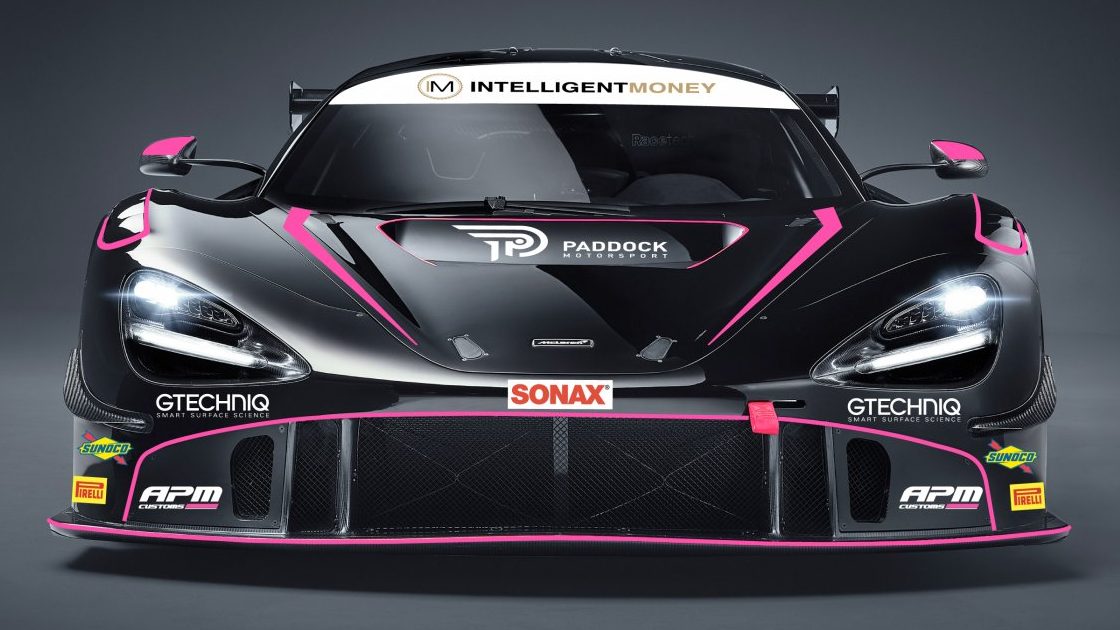
To maintain competitiveness in the rapidly advancing GT3 category, McLaren introduced the 720S GT3 Evo package for the 2023 season. This comprehensive update focused primarily on serviceability, aerodynamic consistency, and suspension kinematics rather than raw power. The most prominent visual change is the redesigned front bumper and splitter, which utilize quick-release mechanisms. This critical update allows race mechanics to replace damaged aerodynamic bodywork in a fraction of the time during pit stops, a vital advantage in 24-hour endurance events where minor collisions are inevitable.
Beyond the aerodynamic tweaks, the Evo package introduced critical suspension refinements designed to improve long-stint tire wear. Upgraded TTX40 Öhlins dampers and redesigned upper wishbones were implemented at both the front and rear of the chassis. These mechanical enhancements give race engineers finer control over wheel control and camber adjustments, shifting the aerodynamic balance slightly forward. The result is a more predictable, consistent platform that allows drivers to maintain aggressive lap times without instantly degrading the Pirelli or Michelin racing slicks.


Visual Identity
Organic Aerodynamics and Flowing Liveries
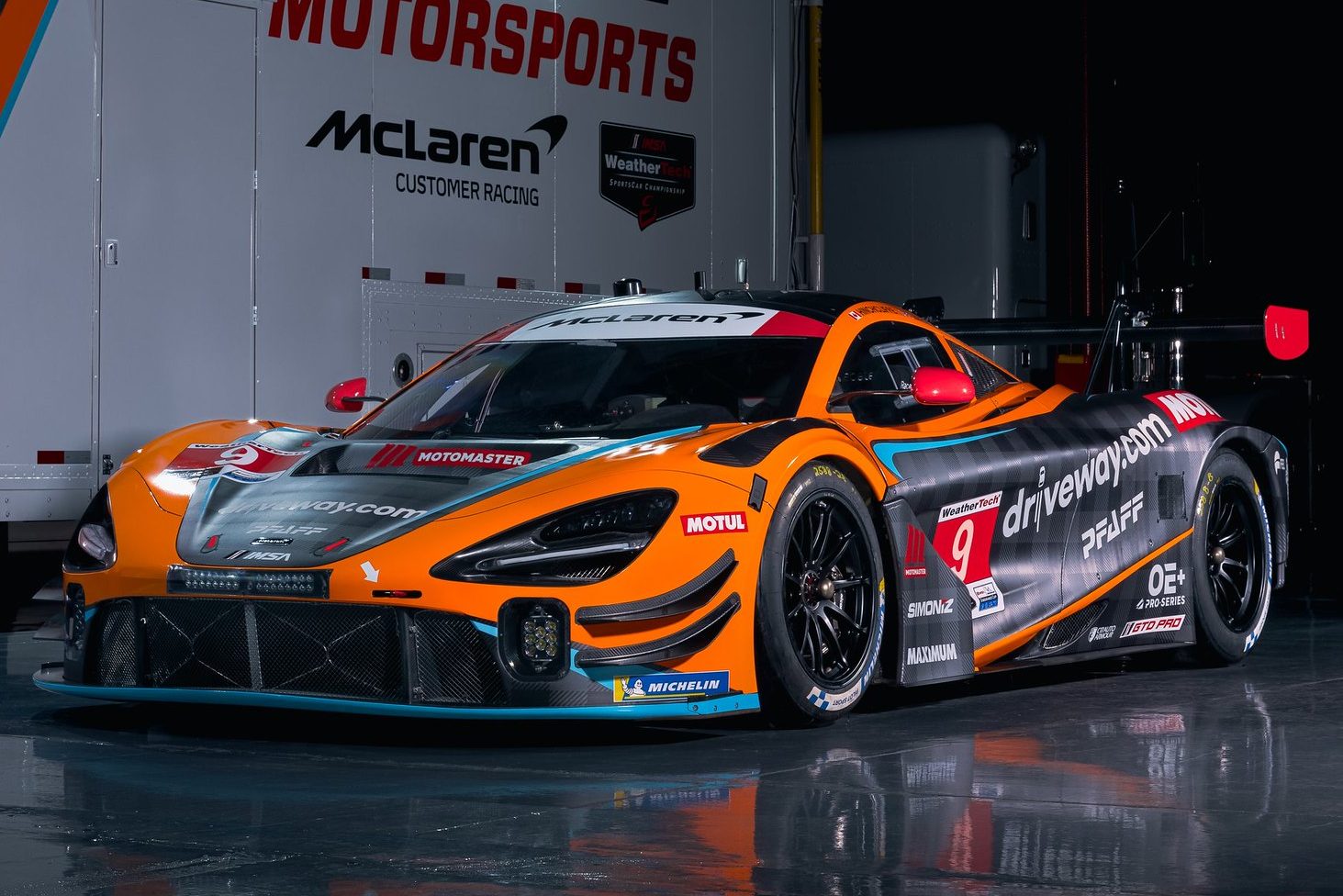
Visually, the 720S GT3 provides a stark contrast to the sharply segmented, angular profiles of its competitors. The McLaren is defined by its organic, flowing aerodynamics—featuring a teardrop-shaped glasshouse, sweeping side intakes hidden within double-skinned doors, and smooth, undulating carbon-fiber fenders. This continuous, uninterrupted surface dictates a completely different approach to motorsport graphic design, heavily favoring sweeping curves, gradient color shifts, and elongated shapes that follow the natural airflow over the vehicle.
✴
Because the vehicle lacks sharp, disruptive creases along its flanks, vinyl wrapping requires extreme precision. Designers must carefully stretch and align the material to ensure that intricate sponsor logos and graphic patterns do not warp or distort as they transition over the deep aerodynamic channels.
✴
This fluid architecture naturally lends itself to high-impact team branding. Customer racing programs frequently utilize the car’s sweeping side panels to display high-visibility colors—like McLaren’s historic Papaya Orange—creating a highly premium, sleek visual identity that is instantly recognizable on any global grid.