The Intersection of Engineering and Aesthetics
High-Speed Canvases: The Art of GT3 Racing
The Group GT3 technical regulations represent the global standard for customer sports car racing, combining precise aerodynamic engineering with striking visual design.
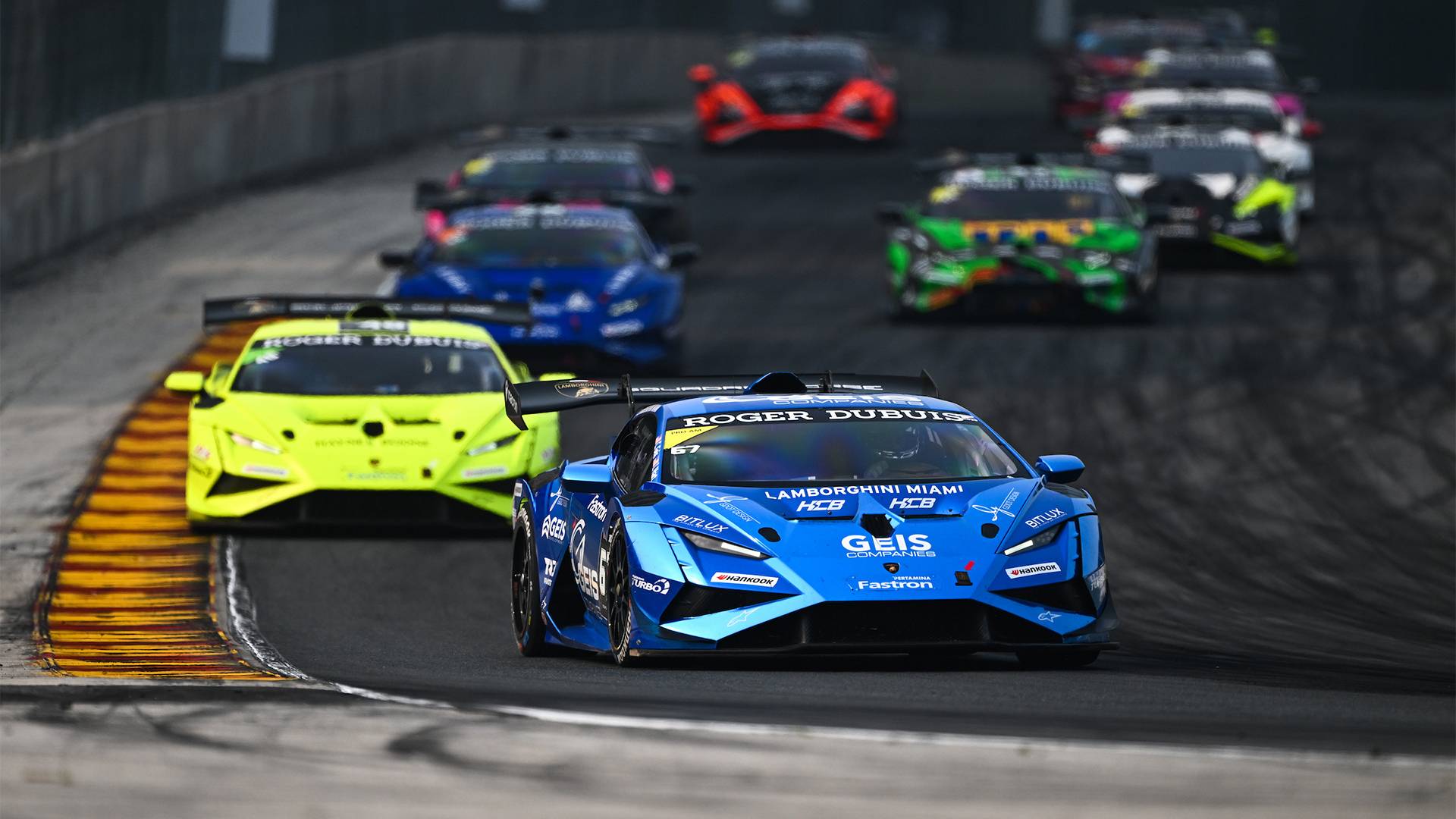
The Foundation of GT3
Engineered for parity, built for endurance. The global standard for customer sports car racing.
✴
The FIA Standard
Established in 2005, the Group GT3 category allows a diverse array of automotive manufacturers to compete on a level playing field globally.
✴
Balance of Performance
A strict BoP system continuously regulates vehicle weight, engine power, and aerodynamic efficiency to ensure close, competitive racing among varying layouts.
✴
Global Competition
These vehicles compete in premier endurance and sprint series worldwide, including the Intercontinental GT Challenge and the IMSA WeatherTech SportsCar Championship.
Engineering Form
Aerodynamics as a Canvas
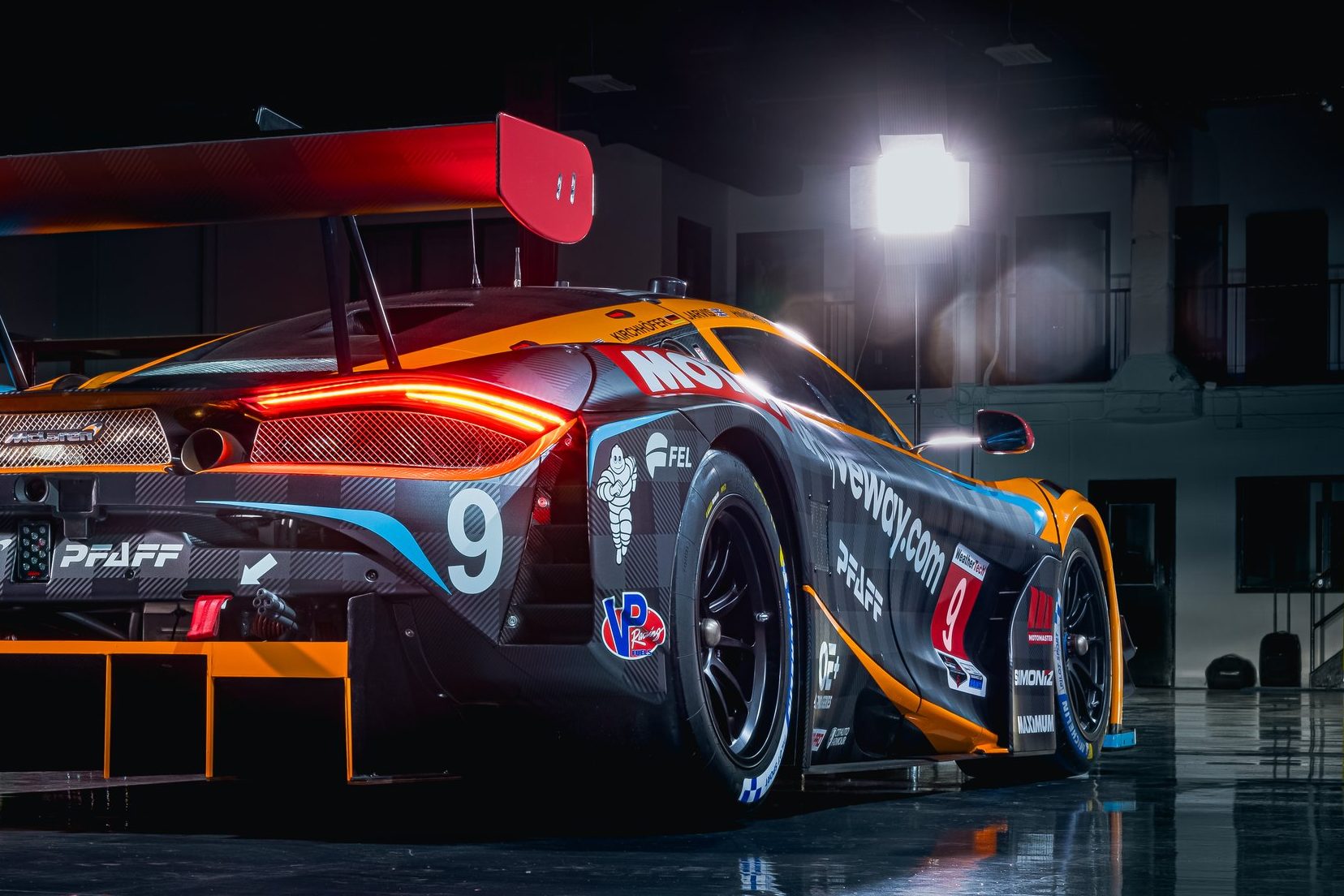
The technical regulations require significant modifications to base production cars. Extended front splitters, widened carbon-fiber fenders, deep air extractors, and prominent rear wings generate maximum high-speed downforce. These aggressive geometric surfaces do more than keep the vehicles planted on the track; they create a multi-dimensional canvas for motorsport graphic design.
✴
Applying graphics to these vehicles requires extreme precision. Designers must carefully map sponsor branding across deep air intakes, louvers, and sharp carbon-fiber contours to ensure maximum legibility from any angle.
✴
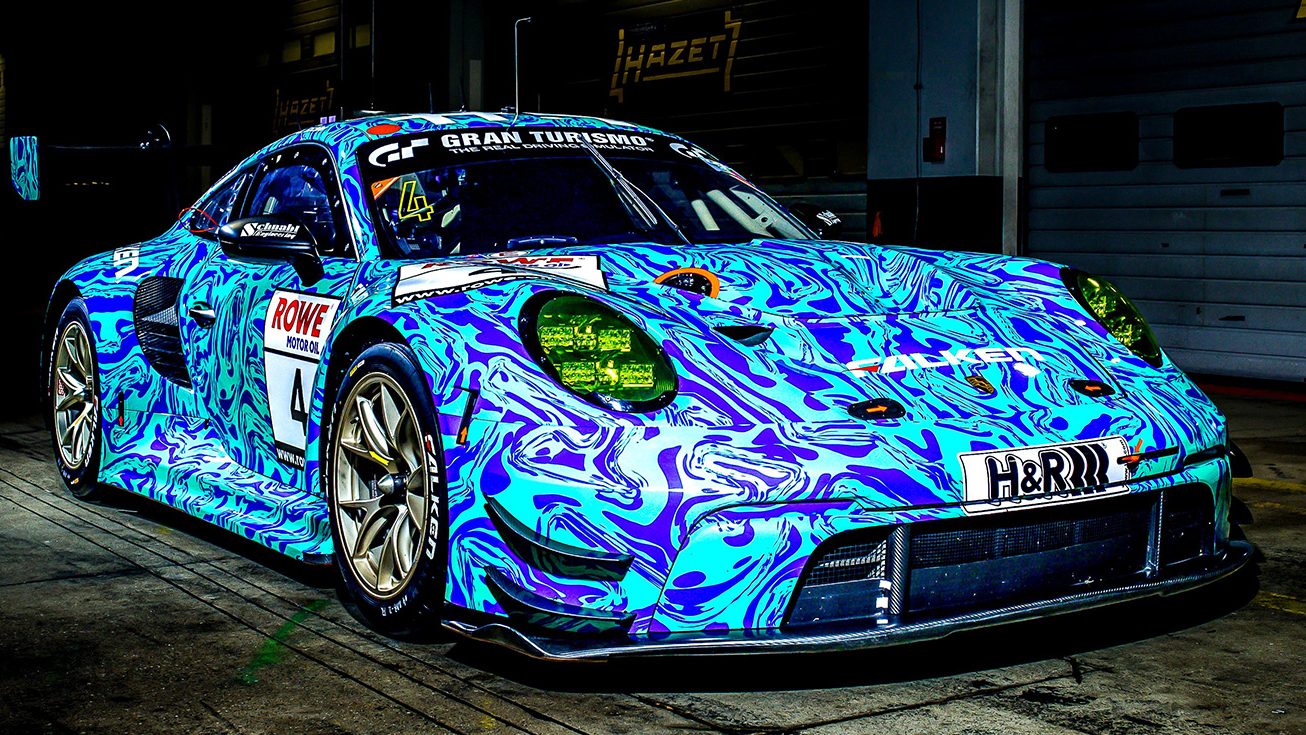
Because these cars compete at high speeds, intricate visual details often blur. The most effective motorsport liveries rely on bold color blocking and high-contrast lines to create an unmistakable, instant presence on the track.
500-600
Horsepower Output
Governed by strict Balance of Performance (BoP) regulations, overall engine output is carefully managed to ensure competitive parity across vastly different naturally aspirated and turbocharged engine platforms.
1,200-1,300
Kg Minimum Weight
Minimum weight requirements are rigorously enforced by the FIA. Ballast is strategically added or removed from specific vehicles to equalize cornering speeds between front, mid, and rear-engine chassis layouts.
24
Hour Endurance Limits
Engineered to withstand extreme mechanical punishment, these vehicles are built to compete in grueling day-long events, testing both mechanical reliability and the durability of their exterior composite materials.
Visual Identity
The Art of the Modern Livery
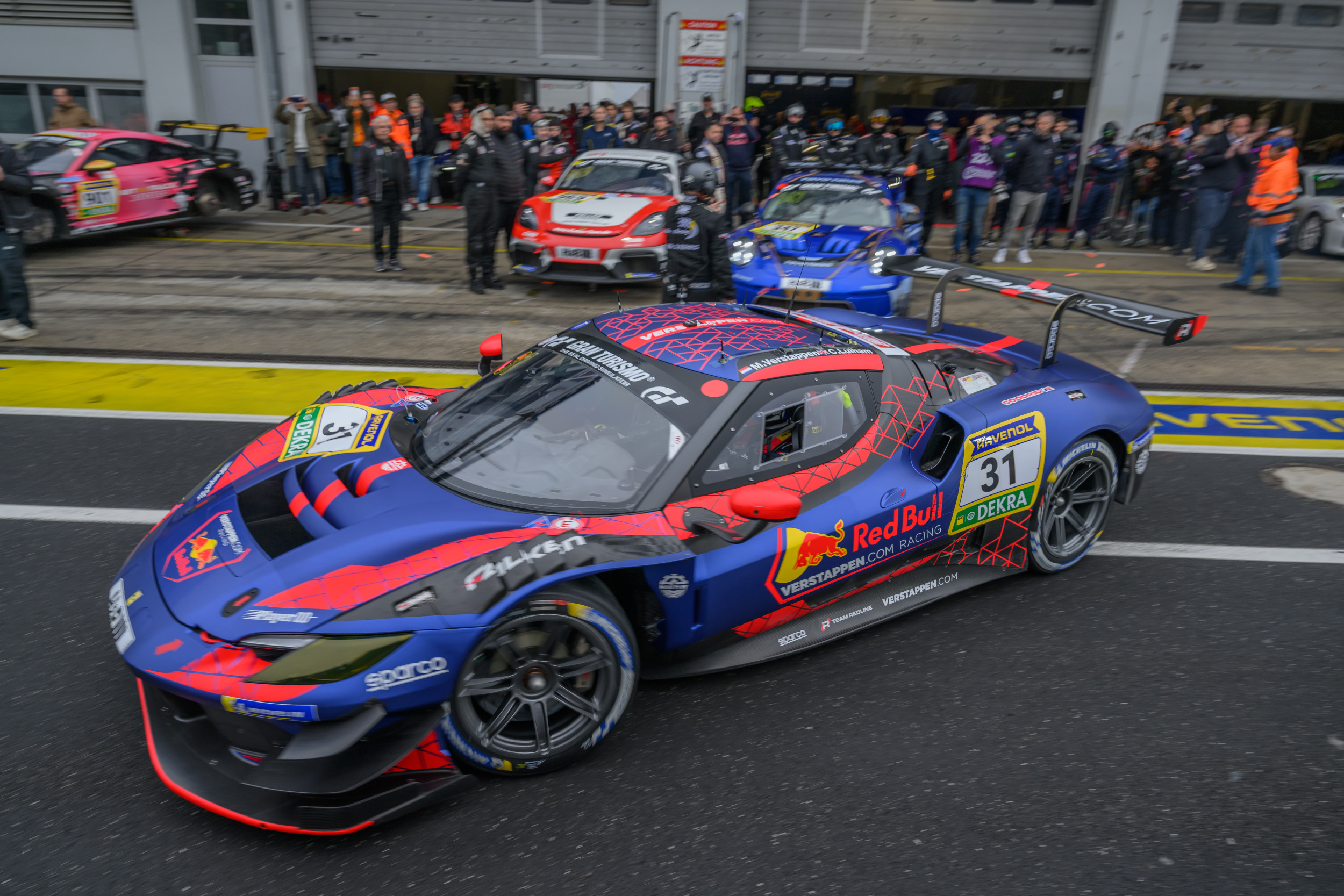
Utilizing lightweight vinyl wraps instead of traditional paint, designers apply striking color palettes and high-contrast geometric patterns. A successful livery must perform multiple functions simultaneously: clearly identifying the vehicle at high speeds, seamlessly integrating sponsor branding across complex aerodynamic panels, and projecting a commanding visual presence on the grid.
News & Analysis
Latest on the Grid
Explore deep dives into the regulations, aerodynamic science, and livery design of modern sports car racing.
-
·
The Global Standard: Tracing 15 Years of GT3 Evolution
From Support Class to Main Event When the FIA Group GT3 category was conceptualized in the mid-2000s, it was initially designed as an entry-level, amateur-focused support series, sitting firmly in the shadow of the highly exotic and immensely expensive GT1 and GT2 classes. However, over the last 15 years, the motorsport landscape has experienced a…
-
·
The Architecture of Virtual Motorsport: A Guide to Sim Racing Hardware
The Hardware Building the Ultimate Sim Racing Foundation When stepping into the world of competitive sim racing, the sheer volume of hardware options can be overwhelming. Before worrying about the PC powering the simulation, you need to understand the mechanical components that actually connect you to the virtual track. A proper simulator is built from…
Exploring the Grid
The current era of competition features highly advanced vehicles from the world’s most prestigious automotive brands. Explore the technical profiles and visual design potential of the prominent competitors.